


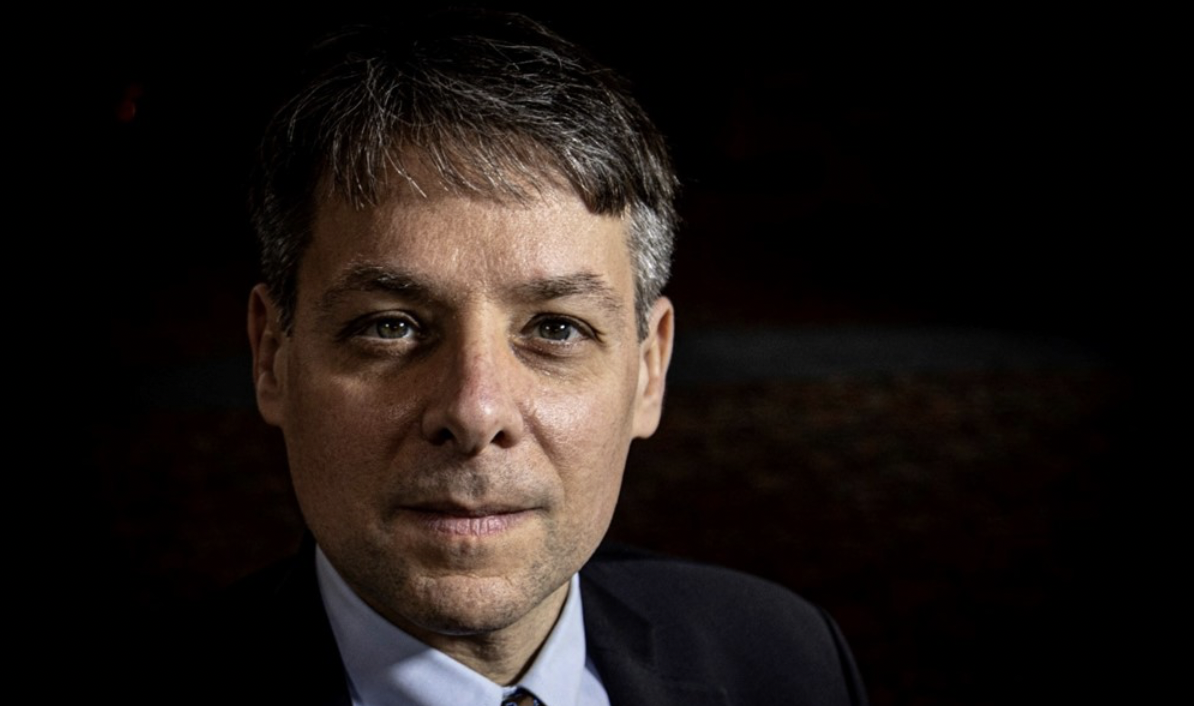
As the clock strikes 7 p.m. on Wednesday, March 19, students, faculty and Fairfield community members will be taking their seats in the Kelley Presentation room. Massimo Faggioli PhD, church historian, Italian academic and professor of theology and religious studies at Villanova University is headlining “Catholics and Antisemistism: Reading Nostra Aetate in 2025,” the 19th Annual Lecture in Jewish/Christian Engagement.
In his presentation, Dr. Faggioli will be traversing the Nostra Aetate (Latin for “In Our Time”), a document approved on Oct. 28, 1965 by the Second Vatican Council that revolutionized the Catholic Church’s regard for Judaism. This document not only renounces traditional “deicide” charges against Jews, but calls for Christians and Jews to engage in important amiable theological conversation.
Antisemitism, described by Dr. Faggioli as a “mutant virus that changes in different historical contexts” is a way of thinking that has infiltrated the minds of many for centuries, and is still prevalent today.
“In this particular moment, Catholics have a particular responsibility to respond to recent trends: globalization and the end of and the end of the exceptionalism of the Holocaust; the effects of the war in Israel and palestine; and a relativism towards Vatican II which involved the theology of Jewish-Christian dialogue, despite its key role in the teaching of Vatican II and in post-Vatican II official Catholic teaching and theological tradition,” Dr. Faggioli emphasizes.
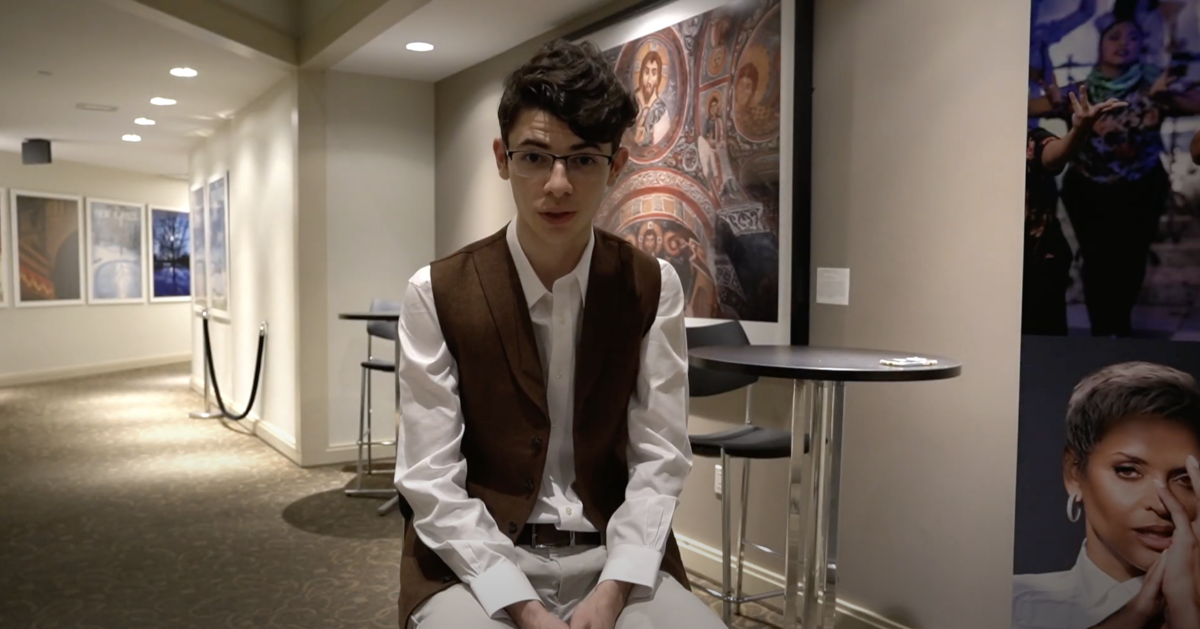
Dr. Gavriel Rosenfeld, currently on leave working at the Center for Jewish History, is a Professor of History and the current Chair for the department at Fairfield University. With areas of study focused in Jewish History and the History of the Holocaust, Dr. Rosenfeld emphasizes the importance of a University held event such as the Annual Lecture in Jewish/Christian Engagement.
“The majority of students on campus are either practicing Catholics, have Catholic heritage or sense of identity. The Nostra Aetate was super important in terms of marking a change in the history of the Catholic Church with regard to the Jewish people. ” Dr. Rosenfeld states, highlighting the struggle between both faiths that has endured over the past 2000 years. “In American society, specifically in the 60s, there was so much social change with feminism and gay rights and the beginnings of the environmental movement, that religious groups also started um liberalizing a lot of what they stood for. We’re in a more conservative period right now for obvious reasons and there are people pushing back against that, but I think it’s important both for Catholics and Jews to have an awareness of the long, tradition of good times and bad times and I think certainly for present day, the decision was really important for building trust between both communities.”
Dr. Rosenfeld also emphasizes the importance of the Magis Core stating that “In requiring students to have a really broad exposure to all the fields of human thought and endeavor, historically, sociologically, religiously and so forth it doesn’t allow people to claim ignorance about the history of Jewish Catholic relations,” emphasizing the core as a positive in lue of some students grumbles of having to take courses that may not directly align with their majors.
Hosting events like these is “always the mark of a good university where the topics don’t remain cloistered in the classroom,” Dr. Rosenfeld states. The 19th Annual Lecture in Jewish/Christian Engagement is Co-sponsored by the Benney Center for Judaic Studies and the Center for Catholic Studies, and free to the public with registration required. For those unable to attend in person, a live-stream will be made available.