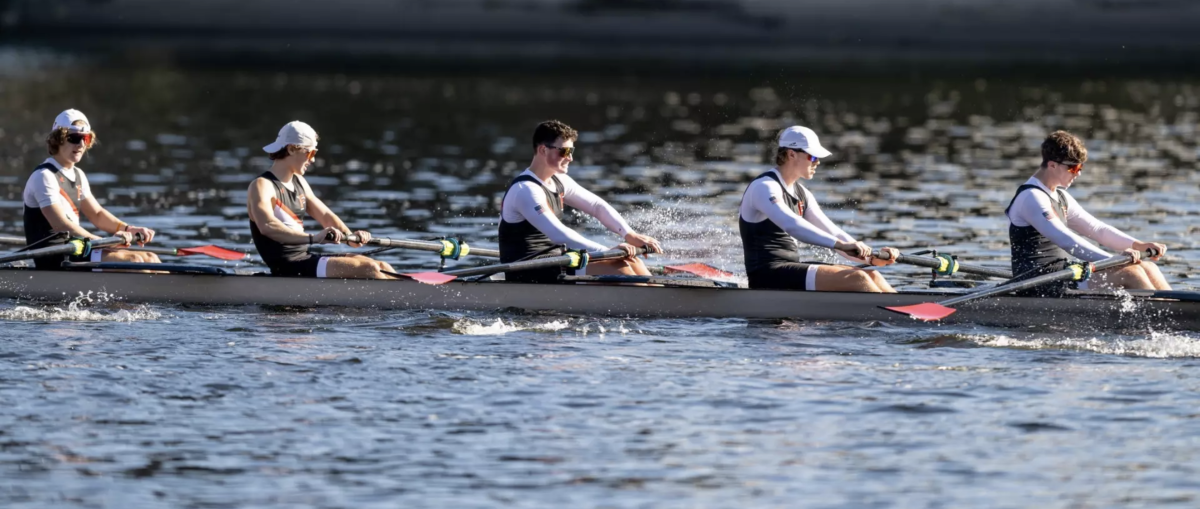
The air will be crisp, the rhythmic clatter of oars slicing through water filling the early morning stillness. On March 22, the Schuylkill River will transform into a battleground where the Fairfield University rowing teams will go stroke for stroke against some of their fiercest competitors at the Jesuit Invitational in Philadelphia. The anticipation is electric. The calls of coxswains will echo across the water, the churn of boats cutting through the river a testament to months of relentless preparation. This is where all the training, the winter conditioning, and the sacrifices come to fruition. Under the guidance of Director of Rowing and Head Coach David Patterson, Fairfield is not just showing up—they are here to compete.
Despite returning several key athletes from last season, Patterson is adamant that past success does not guarantee future performance. “A new crew is a new crew,” Patterson stated. “Every seat is up for grabs with a fresh group of freshmen, recruits, and walk-ons pushing for spots.” The loss of experienced rowers has left significant gaps, both in terms of boat-moving ability and leadership, but the team is embracing the challenge. With Saint Joseph’s emerging as the clear favorite, Fairfield is prepared for what is expected to be a fiercely contested race against Loyola, a team they are likely to battle stroke for stroke down the course.
On the women’s side, the Stags enter the spring season looking to build upon last year’s impressive third-place finish at the MAAC Championships. Over the past three seasons, Fairfield has consistently finished in the top three despite competing against programs with greater resources and larger rosters. “We attract rowers and coxswains who want to be here. They perform successfully because they are driven to succeed,” Patterson said. The challenge remains the same—closing the gap between Fairfield and MAAC powerhouses like Sacred Heart and Jacksonville. “We can’t out-muscle them, but we can out-execute them,” Patterson emphasized. Precision, technique, and strategy will be Fairfield’s keys to climbing the conference ranks.
The Jesuit Invitational presents its own unique hurdles, particularly on the notoriously unpredictable Schuylkill River. “We have to be ready to race upstream, downstream, into headwinds, through crosswinds, in 37-degree March weather or 80-degree May conditions,” Patterson noted. “The only thing unique about the Schuylkill is that it is an unfair course.” The river’s current, wind conditions, and lane assignments can all play a significant role in determining outcomes, meaning Fairfield must be prepared to adapt to whatever conditions race day throws their way.
Beyond podium finishes, the Stags are focusing on refining their technique and strengthening their mental resilience. The winter training season has been especially tough, with illnesses and injuries affecting several rowers. “Our mental milestone is to continue with our focus all year long – forged, resilient, built for life,” Patterson emphasized. With the spring season just beginning, the Stags know that every race is an opportunity to improve and prepare for the ultimate test at the MAAC Championships.
Several newcomers are already making an impact on the program. On the women’s team, first-year Audrey DiMarino was a standout in the fall, playing a crucial role in Fairfield’s highest-ever finish at the prestigious Head of the Charles. Unfortunately, an injury has sidelined her since November, but she is expected to make a strong return. Other promising first-years, including Nora O’Connell, Sasha Atencio, and Zoey Ames, are pushing hard to earn spots in Fairfield’s championship boats. On the men’s side, recruits such as Braeden Gibbons, Andrew Herman, Grant Retelny, and Anthony Tapinis have quickly established themselves as key contributors. Walk-on Trevor Buti has also impressed, rapidly rising into the program’s upper ranks. With a large senior class set to graduate, the team is looking to its younger athletes to set the foundation for future success.
As Fairfield lines up against Saint Joseph’s and other Jesuit rivals, the team understands the daunting task ahead. In men’s rowing, long-established programs benefit from generations of alumni support and deep-rooted traditions. “We are trying to overtake history, and that’s quite a battle,” Patterson acknowledged. In women’s rowing, financial backing plays an outsized role, with well-funded programs able to recruit top-tier athletes. “If you have Texas-sized funding, you can buy an NCAA championship-caliber team,” he said. “Or, in the MAAC, if you have Jacksonville-sized funding, you can buy a conference title.”
Despite these challenges, Fairfield refuses to back down. The Stags are committed to outworking, out-strategizing, and outperforming their competition. As they take to the water in Philadelphia, the team’s mission remains clear–they aim to prove that dedication, discipline, and belief can overcome history and resources. The season begins on March 22nd, but for Fairfield Rowing, this is just another step in their relentless pursuit of excellence.