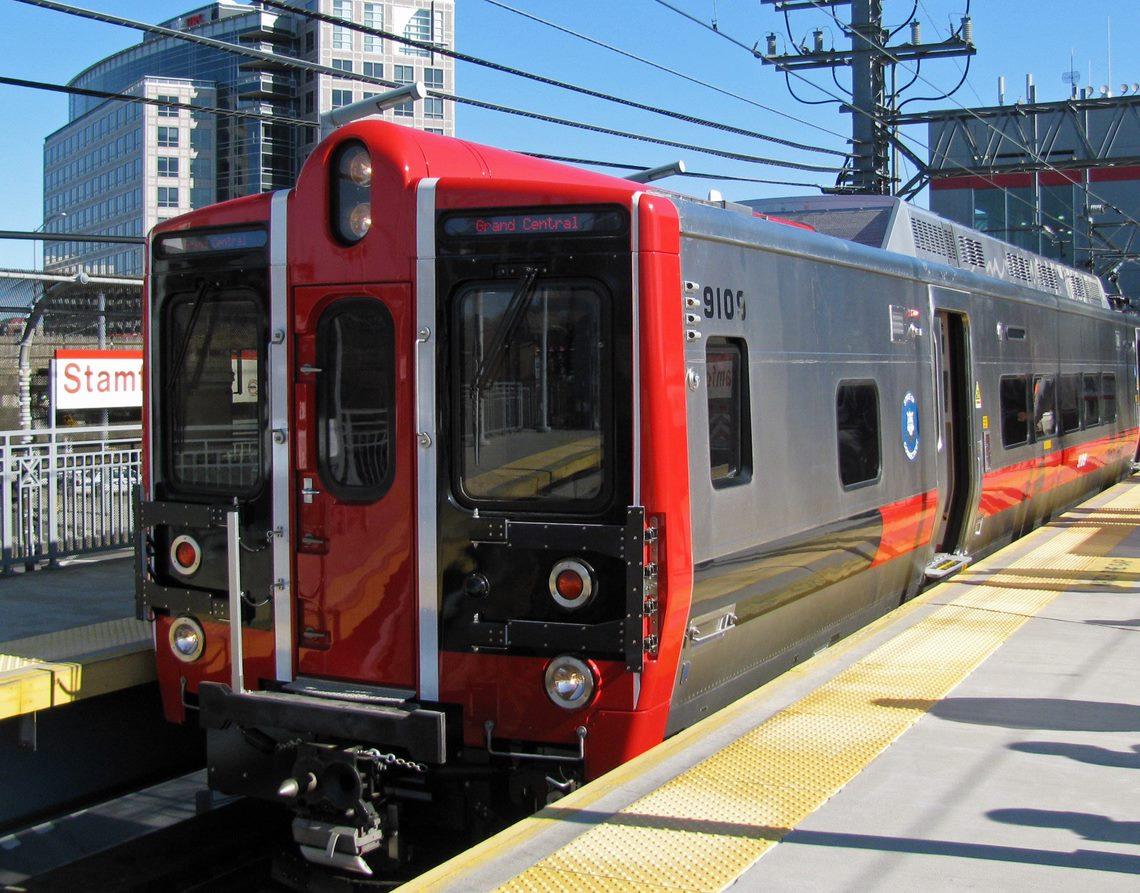
One of Fairfield University’s greatest selling points is its proximity to New York City. With it comes Broadway, countless museums and a cultural and educational experience that is simply unmatched. There is something for everybody in the city and there’s a reason so many classes take advantage of that by sending students there for one purpose or another. It is safe to say that, without New York City nearby, Fairfield University would not be the school we know and love today.
Which begs the question: Why is it so expensive to get there?
For those who don’t regularly make use of the MTA Metro-North, prices have recently risen to $19.75 for peak hours, that is, between 6 a.m. and 10 a.m. for weekday trains scheduled to leave or arrive at Grand Central Station and between 4 p.m. and 8 p.m. for trains scheduled to leave Grand Central Station. Essentially, rush hour trains. Off-peak is slightly cheaper, at $14.50 per ticket, but still higher than it was previously. This increase is the first half of a total 10% increase in prices, which will be completed by the summer of 2026.
Taken together, a round-trip can cost as much as $39.50 and will cost more by the next academic year.
This can be a huge burden for some students, particularly those who must go to the city for academic purposes. While study grants can cover travel for those with internships in the city, this hardly applies to everyone and repeated trips to the city can quickly become unaffordable for many students.
A student who goes to the city once a week in a typical 12-week academic semester, for example, could end up paying anywhere from $348 to $474, depending on whether they travel during off-peak or peak hours. From these costs, more or fewer visits can be extrapolated, but it is apparent that going to the city regularly isn’t cheap.
Despite the costs, taking the Metro-North to New York City is probably the cheapest and most convenient option for most students. The Stag Bus takes students directly to the station for a train ride that usually takes no more than 95 minutes, and arrives at Grand Central Station, from which students can get almost anywhere via subway. That this fairly cost-heavy option is somehow still the cheapest only highlights that something needs to be done about it.
While Fairfield University can hardly be expected to help overhaul rail infrastructure in the United States, it can still provide for its students. It seems only reasonable that, should students prove they are gaining something educational or cultural out of a visit to the city, Fairfield University should help cover the cost of the tickets. Given the high cost of tuition here, this doesn’t appear to be a particularly huge imposition on the school and it would probably only improve our numbers during application season.
The benefits of this plan are numerous.
For one, it would get more students into the city, probably wearing school merchandise while frequenting museums and theaters or at least talking about Fairfield University. For another, it would help get students away from Fairfield during busy, party weekends, which might take some of the crowd away from the beaches. In general, it would be a huge gift to the educational and cultural development of Fairfield University as a community.
So please, pay for our train tickets. It may not amount to much for Fairfield University, but for us it would make all the difference.