












In the early days of popular music, singles drove the music industry. Most hit songs from the 1940s were under three minutes to fit on a seven-inch vinyl. The artistically conceptual albums in the 1960s, such as the Beatles’ “Sgt. Pepper’s…” and the Beach Boys’ “All Summer Long”, gave way to what is known as the “album era.”
From 1970 onwards, the floodgates opened to a host of musical advancements. Multi-suite prog albums like Pink Floyd’s “Animals”, psychedelic funk instrumentals like Funkadelic’s “Maggot Brain”, and triple albums like George Harrison’s “All Things Must Pass” invaded record stores to audiences’ delight. The structure of an album was now a precise, intricate art form, akin to chaptering a novel.
Nowadays, it feels a lot like the 1940s, and not just because the economy is in shambles and war ravages the Earth, but also because music has been seriously disappointing. Looking through the Billboard Hot 100 reveals not a single song over five minutes, and hardly any over the three minute mark. Obviously, 10-plus minute experimentalist songs aren’t expected to chart, but the music industry has stepped so far back that it feels impossible for remotely inventive artistry to even graze the mainstream.
David Byrne of Talking Heads wrote a book called “How Music Works”, which explains this in greater detail, but this pruning is mostly the result of streaming and TikTok reshaping how music is sold. Digital streaming is now a major source of revenue, and since shorter songs are easier to repeatedly stream, albums get cut down. TikTok only doubled down on this, leading the industry to favor songs that contain a catchy hook with no regard for the surrounding verses or any additional refrains.
Short music is, of course, not inherently bad. Songs such as The Smiths’ “Please Please Please Let Me Get What I Want” have a heartbreaking quality to their brevity, pushing you to replay it over and over again. Dance artists such as PinkPantheress have made succinctness part of their brand, releasing mixtapes of short songs which can be played in a multitude at live shows. If every song was exceptionally long, listening to music would be very tiresome, and those extended tracks would lose their spark.
An issue arises when the music industry, which seeks to create revenue rather than art, stifles any attempts at broad creative expression. Many complaints about “music these days” are dismissive, and there is an ocean of great artistry below the radio hits if you’re willing to look. Still, it’s disappointing how unwilling record labels are to allow artists to take risks. Have you ever heard any part of “Beautiful Things”, “ABCDEFU” or “Unholy” beyond the viral bits in the background of TikToks? You haven’t, because they weren’t designed to exist outside of these 30-second clips, hence why they don’t run longer than 3 minutes.
Music labels regard the art form as tripe for the masses. It’s a shame, because some of the most incredible pieces of modern music thrive by way of their length. Genres have been built on winding, expansive melodies. Bauhaus’ 9-minute “Bela Lugosi’s Dead” is credited for championing gothic rock music, and Donna Summer’s first hit album had the single track “Love to Love You Baby” take up the entire first side of the record. Even greatly experimental works like Swans’ 15-minute droning “Helpless Child” or Godspeed You! Black Emperor’s 20-minute apocalyptic “The Dead Flag Blues” have been greatly influential in their respective genres.
Breadth in music can also be used as a storytelling device. Nina Simone took a traditional song and transformed it into the 10-minute jazz classic “Sinnerman”, with booming piano sections conveying the titular subject’s efforts to outrun his past. Neil Young’s second album has two narrative songs with killer guitar solos to emphasize drama. LCD Soundsystem’s “Sound of Silver” makes use of evolving electronic beats to represent James Murphy’s feelings about New York City. Joanna Newsom’s album “Ys” contains five songs between seven and 17 minutes of poetic metaphor on being and loss, taking the listener from childhood to, in Newsom’s words, “thundering blissfully towards death.”
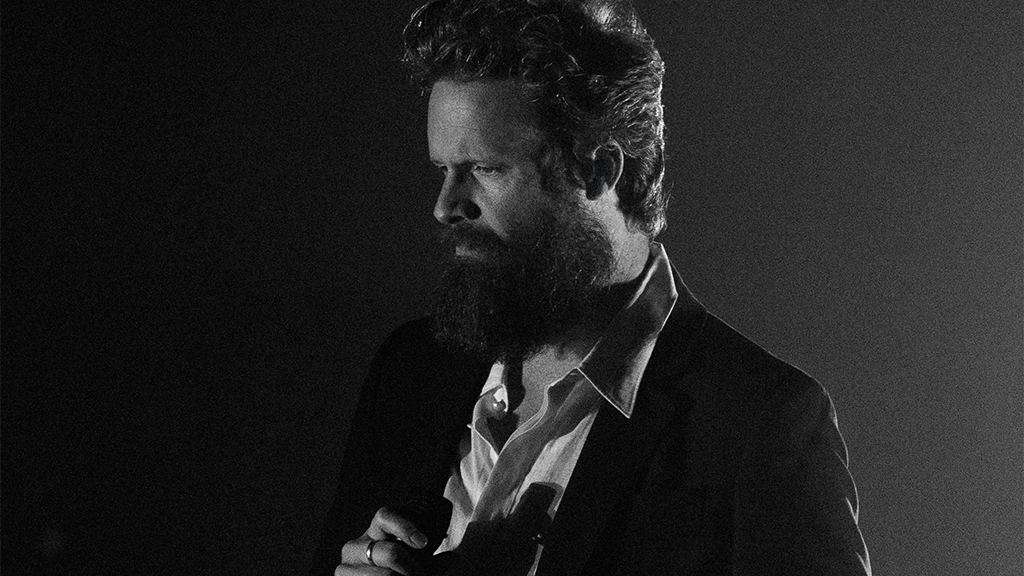
Releasing long music is a risk. If underwhelming, it’s more upsetting because it’s taken up more of your time. Every song on Metallica’s infamous “St. Anger” is at least five minutes, and listening to it has been likened to waterboarding. Risks, however, are worth taking amid such a stale creative period in the industry where diversity is desperately needed. There are thankfully glimmers of hope, as songs like Ethel Cain’s “Nettles” and Father John Misty’s “Mahashmashana” give hope for a resurgence of long, genre-bending tracks in the zeitgeist.