




Fairfield University is increasing service projects to address food insecurity in the community as Thanksgiving approaches. There are countless service opportunities that year-round students are encouraged to participate in. Food pantries are the most common type of service opportunity offered. Campus Ministry has been involved in these types of events and projects since the university was established in 1942. In the midst of the longest government shutdown in history, and with Supplemental Nutrition Assistance Program (SNAP) funding being cut, these food pantries are essential for those with food insecurity.
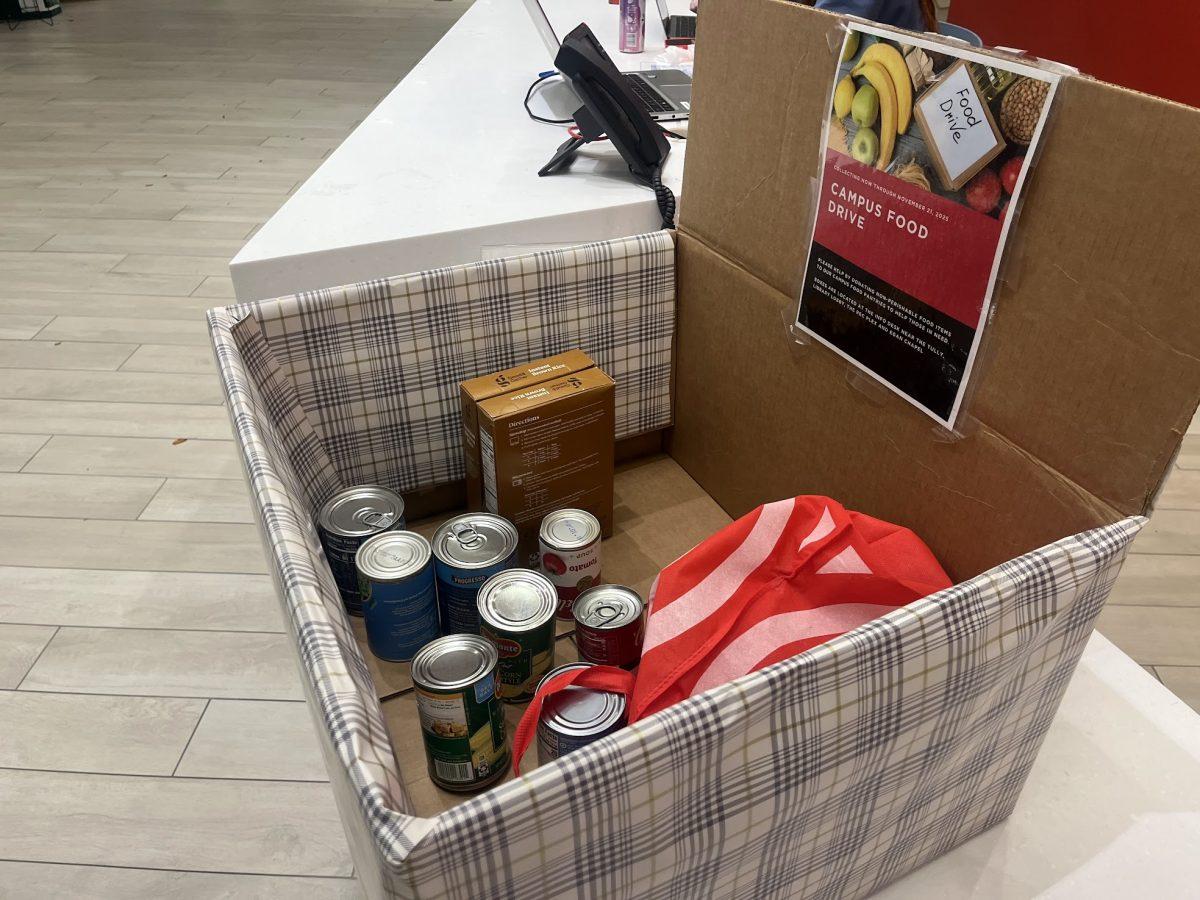
Katie Byrnes, the Associate Director of Campus Ministry, shared the tiers in which the multiple annual pantries operate. The first tier operates here, on campus. The campus food pantry, located in Campus Ministry, supports university students who are food insecure, whether for a short or longer period. The pantry holds food, toiletries and school supplies for students in need. The second tier consists of emergency food pantries off-campus, where volunteers visit weekly to keep them stocked. The third and final tier includes the pantries with customers in the most need, which have become more and more important with the issues surrounding SNAP benefits, Byrnes shared. Currently, Campus Ministry is collecting food bins for families in need for Thanksgiving. One bin is located by the Information Desk on the main level of the Barone Campus Center, and another is in Peet’s Cafe in the library.
Byrnes has already received several emails from students following the SNAP cuts, asking how they can help their fellow students and their community. There’s a drive going on right now, run by Campus Ministry’s staff for the campus food pantry, and other drives are being organized and run by students for the community.
Residence halls are hosting Thanksgiving food drives as well. There are flyers in the hallways of buildings like Regis Hall and Langguth Hall advertising the drives, with some even offering prizes for the most food donated.
Junior Kimberly Watson, Regis Hall’s first-floor Resident Assistant, shared how the food drive came to be. “I’ve always been interested in service and community work, so when our [Senior Resident Assistant] Anna brought it up, I didn’t even hesitate.”
Watson says that she decided to start the event in early November because of the “growing need to support local communities,” especially with what’s happening regarding SNAP benefits and the government shutdown. She wanted to create an opportunity for students to come together and help others, while simultaneously raising awareness about food insecurity. It’s the first time she’s helped with an event like this, and she’s hoping for a strong turnout of donations. “I am hopeful that people are aware of what’s going on with SNAP, and because of this, are more aware of how these issues affect real families and want to help in any way they can,” Watson stated. She added, “It’s a chance for us to take small steps that make a meaningful difference.”
One food pantry in particular was started by Fairfield moms and has been operating for four years. “They were volunteering in their kids’ classrooms and noticed there were kids who didn’t have after-school snacks. Some of the kids are there from seven in the morning until five at night,” Byrnes recalled. The organization is called Filling in the Blanks Mobile Food Pantry, and Campus Ministry has been involved since the beginning.
Volunteers work in the organization’s warehouse, packing up “weekend bags,” filled with food that the kids can make for themselves that are easily transported in their backpacks. The volunteers also work on the mobile aspect of the pantry, putting together emergency food for the weekends. There’s also a program called “Snack Bags,” in which students decorate snack bags with “snacks and little notes for the kids to encourage them. Then those are delivered to the kids after school,” Byrnes said.
Much of the student population that is involved in service came to campus with that passion already instilled in them. Byrnes mentioned her approach to service, saying, “My whole approach to service is to use your hands and your heart, instead of your head. You get to give back to the local community, and maybe get a different perspective off-campus. [The] students are really extraordinary. They come in wired for service.”
While Fairfield University students already have a passion for service, their desire to help was greatly amplified by the issues surrounding those with food insecurity. Byrnes shared, “It’s this great kind of synergy where we see people in need and immediately our thought is: How can I help? And that’s what our mission is about: Men and women with and for others. So, how do we do that? People are already doing it.”
“Service is not a hard sell here,” Byrnes stated. “There’s really no end to the service in Fairfield.”