






Last month, Paramount announced its acquisition of the media company The Free Press and the subsequent promotion of the site’s founder, Bari Weiss, to Editor-in-Chief of CBS News, a subsidiary of Paramount. Weiss, a self-proclaimed anti-woke and anti-DEI warrior, is dubiously qualified for such a position, but her hiring comes as little surprise in our increasingly corporatized media landscape.
The Free Press brands itself as “honest news for sane people.” However, it’s fallen under scrutiny numerous times for inaccurate reporting. Controversial pieces include one claiming a student at Washington University developed liver toxicity due to gender affirming care, which her parents later confirmed was actually a side-effect of COVID-19.
Another piece arguing Palestinian children in Gaza couldn’t face starvation if they had previous health conditions was called “terrible for multiple reasons” by television personality John Oliver, adding that many of the children included in the article developed these conditions as a result of besiegement by Israeli forces.
In general, The Free Press hosts few relevant news articles, consisting mostly of indecorous op-eds, such as one lauding the potential of “AI actress Tilly Norwood” with an uncomfortable amount of words eulogizing how attractive the author finds these youthful JPEGs and other pieces with headlines you couldn’t pay me to click on like “My Husband Wants to Be Cremated, I’d Ignore His Dying Wish.” and “Woke Capitalism is Out, Based Capitalism is In.”
Weiss and other writers for The Free Press are allowed to share their opinions in our democracy, but the amount of journalistic malpractice and lack of credentials displayed by Weiss’ team makes her installation as head of a prestigious network confounding. Make no mistake, however, Paramount isn’t simply dropping the ball here; this is the natural evolution of a trend plaguing the past decade of American journalism: the corporate buyout.
In 2013, Amazon CEO Jeff Bezos purchased the rights to The Washington Post. Looming over this acquisition were fears that Bezos would exert excessive control or even censor what The Post could publish. Lo and behold, Bezos issued an ultimatum earlier this year that The Post’s opinion section could only publish articles in support of “personal liberties and free markets”, and allegedly prevented cartoonist Ann Telnaes from publishing a comic satirizing President Trump’s proximity to various billionaires for being “dangerous to free press.”
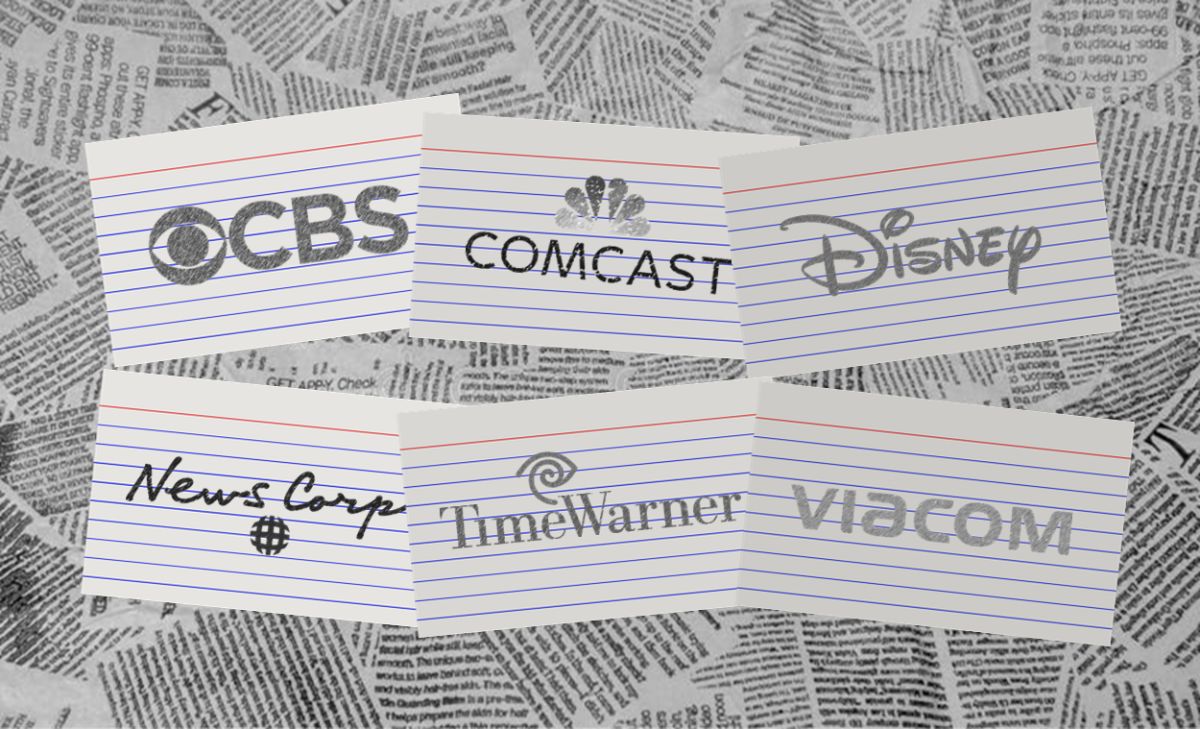
This takeover and restraining by the super-rich of the media is far from new. 90% of American news is owned by six corporations: CBS, Comcast, Disney, NewsCorp, TimeWarner and Viacom. The United States’ lack of state-owned media should ideally give impetus to freedom of speech and expression, which is critical or asynchronous with that of the government, but when major corporations beholden to power control the news, you end up getting a more subdued, roundabout form of state media.
A complacent media scene should deeply trouble us, and this issue only shows signs of worsening. Oracle co-founder and second-richest man alive, Larry Ellison, has expressed interest in buying CNN, HBO and TikTok. Ellison is a known donor to several Republican political campaigns, so if such a deal is made, expect a significant drop-off in the variance of opinion allowed across these platforms.
It’s hard to imagine a story like Watergate making nearly as much of a splash today, not because politicians wouldn’t stoop to that level, but because any coverage of it would be paywalled and obfuscated behind layers of hand-wringing. We often hear about the duty of journalists to report hard truths and speak them to power, but bad actors have obstructed that responsibility in favor of ensuring the media doesn’t confront them.
The question remains, then, what can we do in response to this confiscation of journalistic integrity by the ultra-rich? In the same sense that the best way to deal with a grifter or opportunist is to not light their fire by ignoring them, if corporate news publications are beholden to these figures, the public should disregard them as reliable. Instead, nonprofit independent news sources should be sought out.
Some reliable antidotes to the broken journalistic environment include obvious examples such as the public Associated Press and PBS. ProPublica provides quality investigative journalism, and opinion pieces are best consumed on the blog of a trusted journalist rather than a faceless editorial board. However, the best option is to start with local sources. The Institute for Nonprofit News has a website to identify independent sources about your area (https://findyournews.org/). Lastly, of course, if you seek updates about events at your university, the school newspaper is a good place to start.