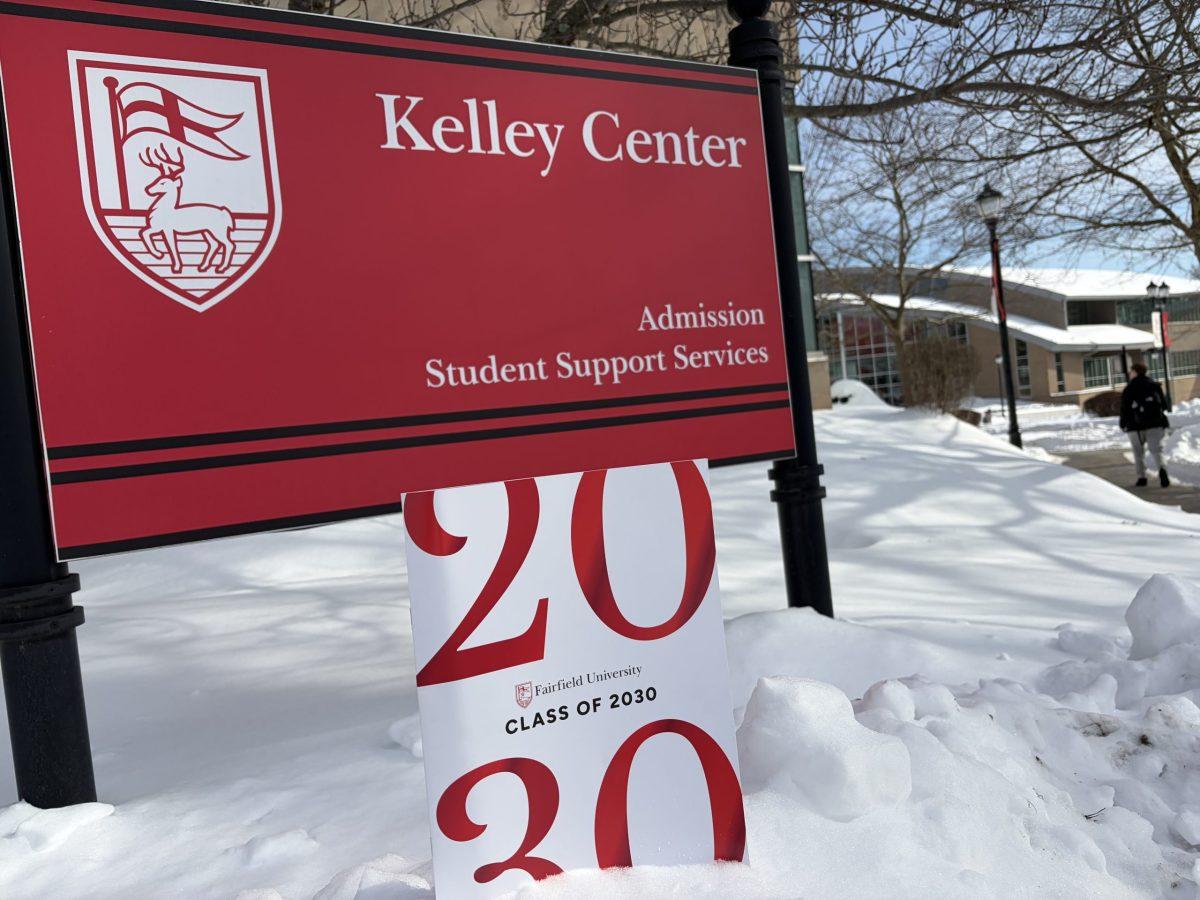








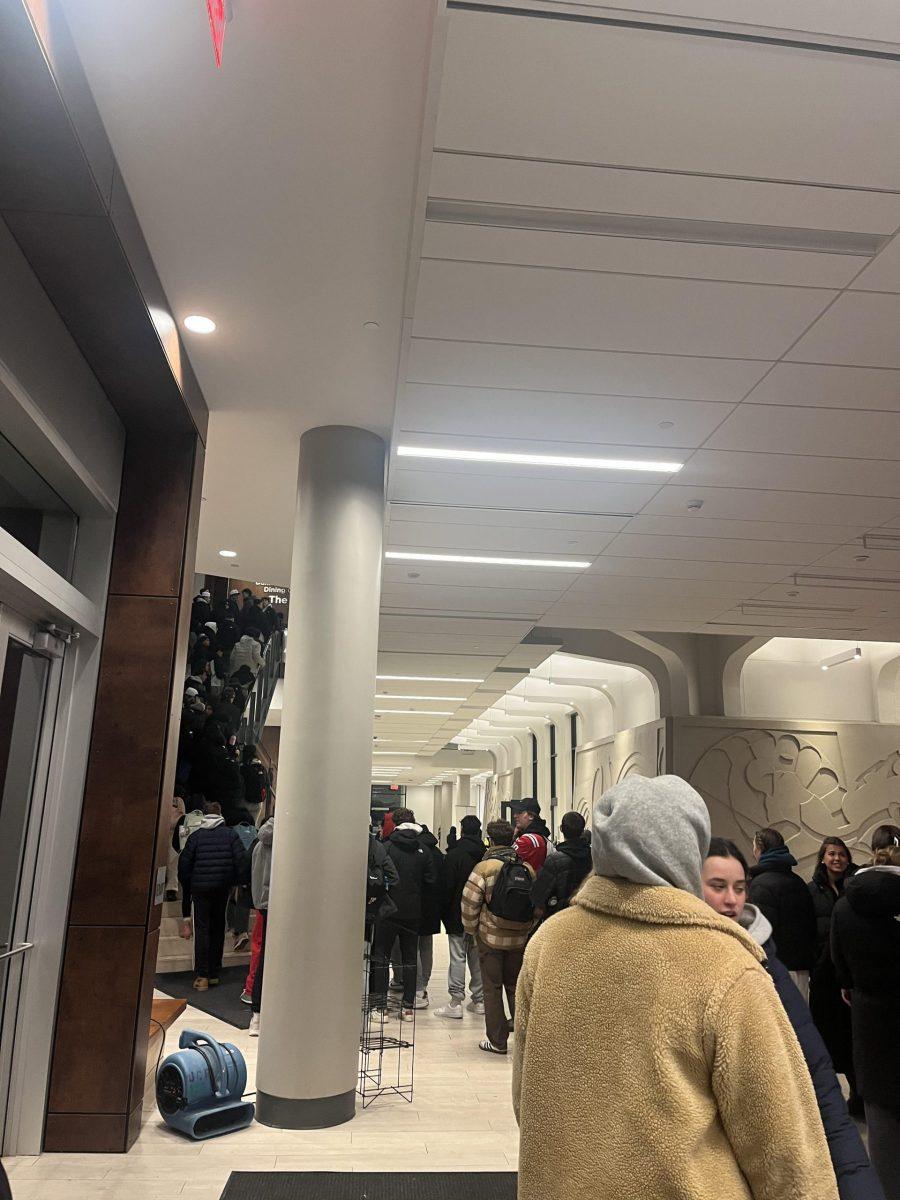


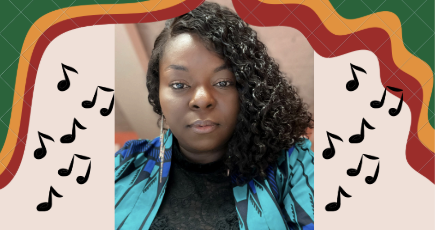
Music has a dynamic effect on culture. It helps to boost moods and bring a sense of social connection. Every year, Fairfield hosts an annual Black Studies and Women, Gender and Sexuality event. This year’s speaker Dr. Ruth S. Opara, a music professor at Columbia University, spoke about the influence of afrobeats last Thursday night in the Kelley Center. Afrobeats is a type of West African music genre with influences from American jazz and soul music.
Dr. Opara shared some insight about how music influenced her life. Growing up in Africa, she was dancing and singing to music as early as she could remember. She sang in churches and ceremonies in her state southeast of Nigeria. Although music was her passion, as she knew she wanted to study afrobeats in college, her father was originally unsupportive. She did not tell him she changed her major from accounting to music until college graduation. Today, Dr. Ruth Opara is a successful music professor, taking her devotion to afrobeats into the business realm as she is creating a book connecting music to motherhood.
Dr. Opara shed light on the gender pay gap in Africa. Men tend to get paid more than women, a problem prevalent within afrobeats and the greater music community. There are complexities surrounding gender and transatlantic music. Afrobeats represents the music for transatlantic sound, not just in Africa, but also in the United States.
She focused on the differences in gender within afrobeats music by highlighting two popular singers of the genre: Tiwa Savage and Burna Boy. Both artists show how music transcends cultural barriers. Tiwa defies traditional norms for women. In her song “Koroba,” she calls out the kind of men who pass judgements on women. The song is a testament to her attempting to gain the approval of society.
Burna Boy on the other hand can be problematic for his history of sexualizing women and singing about taboo subjects in his songs. Black feminists often criticize him for the toxic masculinity present in his songs. The world’s largest afrobeats festival is known as the Afro-nation Festival, where he has performed multiple times including his position as headliner in 2023 then again this upcoming summer. Dr. Opara called attention to the sexism within this festival, as women artists have a pattern of having less opportunities as men to be headliners. The music industry continues to exclude women.
Dr. Ruth S. Opara’s discussion was really insightful on the sexism prevalent in the music industry, especially within afrobeats. Her examples of popular artists within the genre helped to show the differences in opportunities between men and women. As there is more exposure to afrobeats in the United States, the genre will continue to have more of a global impact. Dr. Opara’s experience in musicology is powerful in understanding the history, psychology and ideas behind songs, which gives them a deeper meaning.