










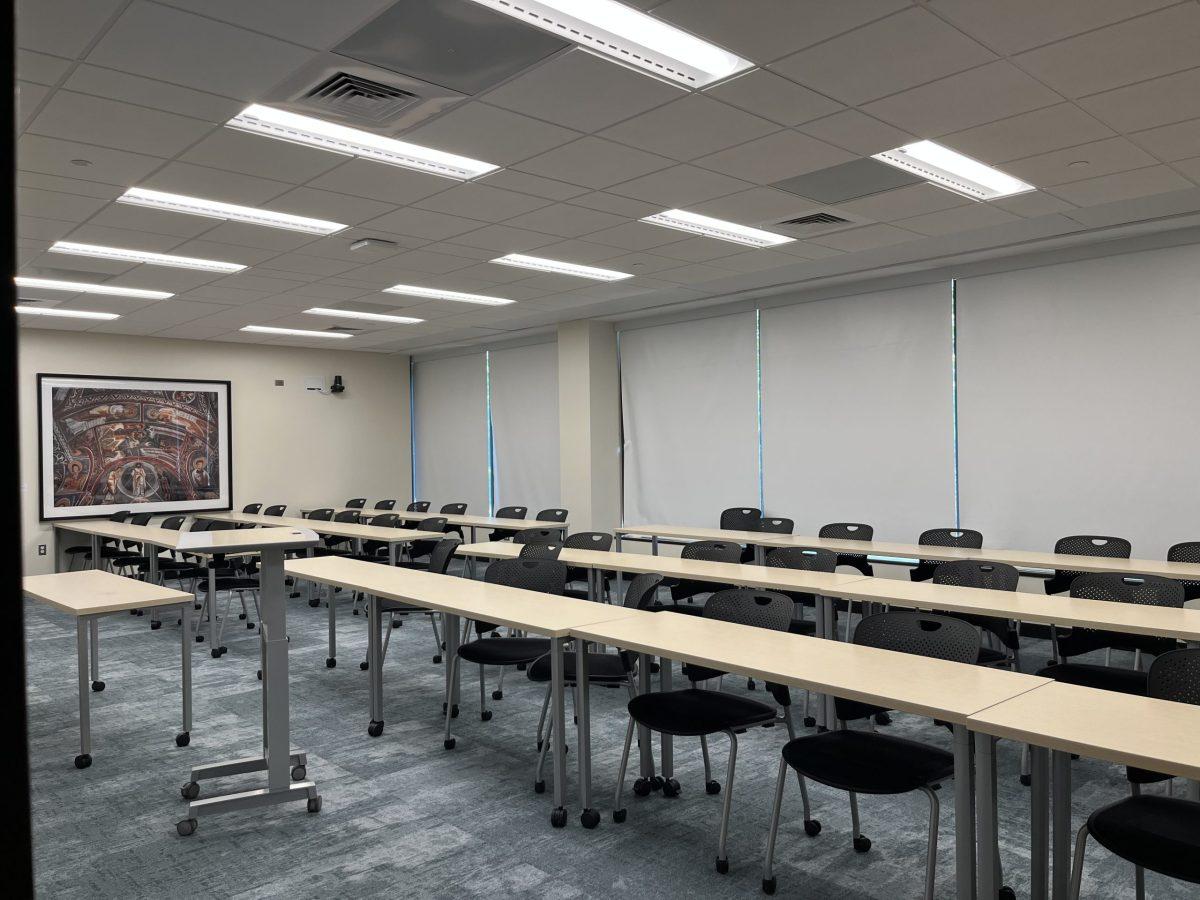
When plans to renovate the upper floor of the Dimenna-Nyselius Library were made known to the Fairfield University community, many students and faculty members were displeased by the efforts to add classrooms to the quietest floor of the building. By the end of last semester, a widely circulated petition against the renovation had been signed by over 700 members of the Fairfield University community. Many cited fears that classrooms would bring increased traffic and, consequently, increased noise to the library, which would be detrimental to the quiet study space.
Those renovations have now been completed, and while the result is not nearly as bad as many feared, the process has still left a bad taste for those of us who were opposed to the renovation in the first place.
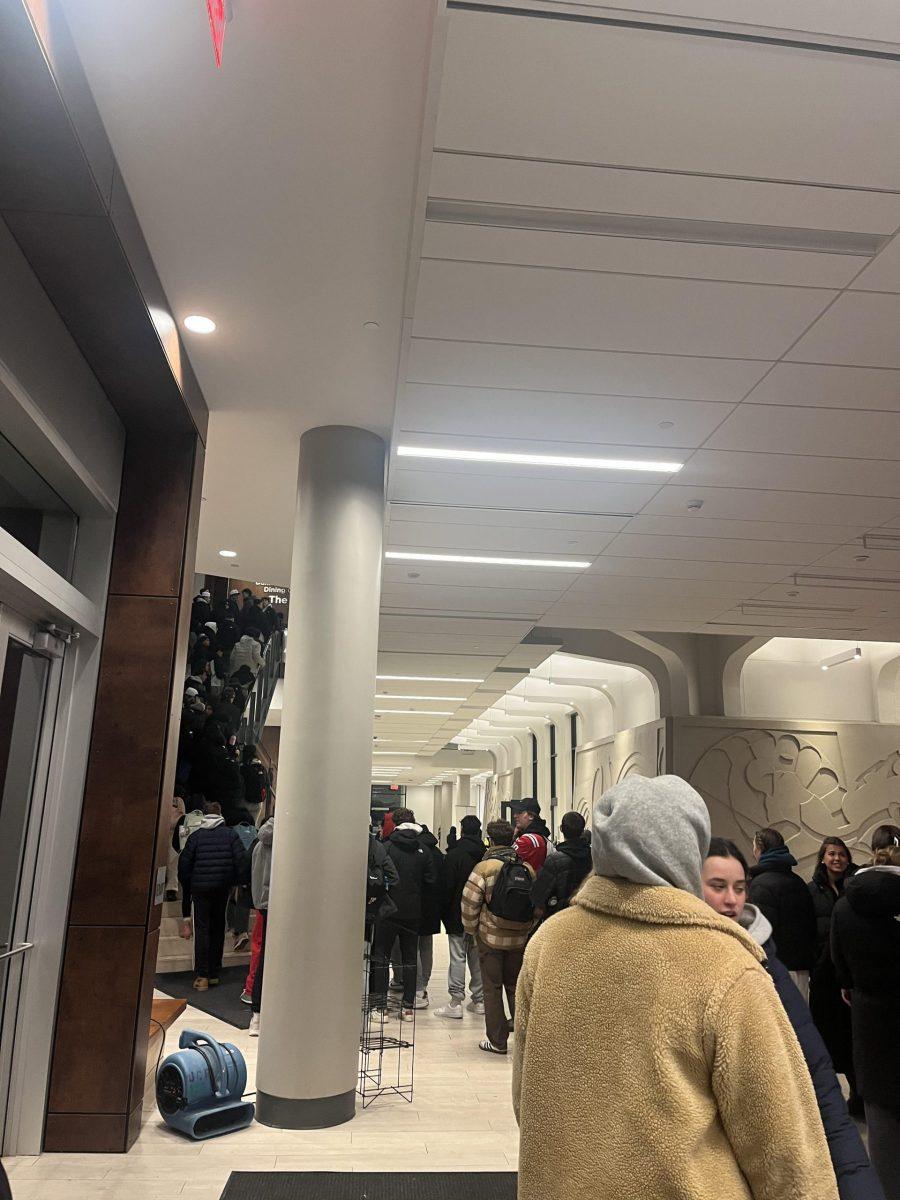
In reality, there has been little increased traffic in the library. This is due to the opening of a staircase in the rear of the building, which students are meant to use to get to the classrooms, rather than making their way through the rest of the building. As a result, the integrity of the library space has remained largely intact, though the library still had to sacrifice a portion of its collection to make space for the classrooms.
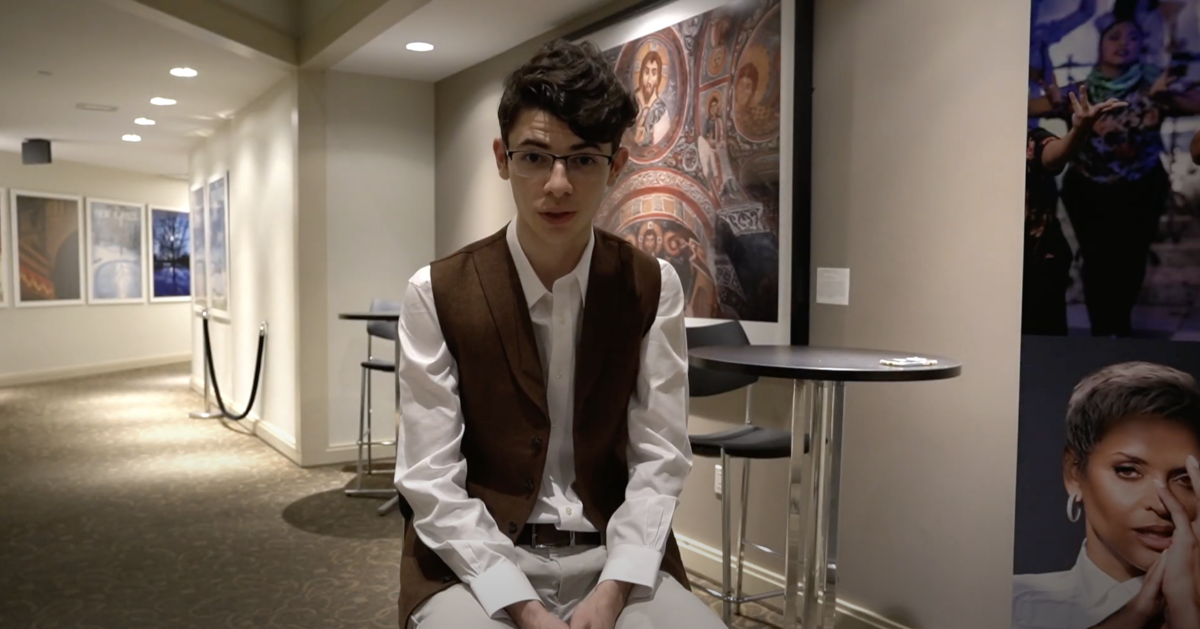
Last semester, one of the many students I interviewed was David Silberger, now a second-year student. Then, he expressed some misgivings about the renovation, but understood the reasoning behind it. Some of those misgivings remain. “As the semester progresses and once finals are near, I worry, as someone who has studied in academic building classrooms, that students forced out of the library may migrate there.”
That the library would remain mostly intact (notwithstanding the potential impacts that will be seen during exam season) was not something members of the student body, faculty or library administration could have predicted, as seemingly no building plan was made publicly available to assuage fears. Indeed, those members of the Fairfield University community that I interviewed last semester made no indication they were aware of the plans to redirect traffic in the library and were concerned about the matter, despite some of them holding prominent positions in the library administration, among them Chair of the Faculty Library Committee Jennifer Schindler-Ruwisch, PhD, and Associate Dean for Public Services and Coordinator of the Academic Commons Partnership Program, Curtis Ferree.
The crux of the matter is that those in the Fairfield University administration who planned the renovation did so without properly consulting members of the library’s administration or the faculty and without endeavoring to be transparent with their plans. Had those of us in the student body known the truth of the plans in advance, the issue may not have been as troublesome as it became.
With trust between institutions of higher education and the public fraying over the course of the past year, it is in the best interest of Fairfield University to be as transparent as possible in decision-making. In this situation, it seems that those efforts were not made, and, indeed, that efforts were made to keep the renovation as quiet as possible. Despite speaking formally and informally to members of the Fairfield University administration, the reasons for this silence are still not entirely clear. Why did Fairfield University not officially announce the renovation ahead of time and allow members of the community to have their questions regarding it answered?
Trust, of course, is a road that goes both ways.
In the future, it would serve everyone’s interests if the Fairfield University community and Fairfield University itself could open a productive dialogue instead of the situation that occurred last semester. Nobody wants Fairfield University to suffer the fracturing of community and institution that has occurred in other places of higher education. Just a quick glance at the headlines is enough to show anyone that, in such a situation, nobody wins.