






Fantasy football is a time-honored tradition that has brought football fans worldwide together for decades. It is the epitome of an emotional rollercoaster because managers never know whether their star player will explode for 25 points or 3, while someone picked up on waivers last week puts up 40.
As a junior here at Fairfield University, I have been fortunate enough to meet many amazing people throughout my two years here, and believe it or not, much of this success can be attributed to fantasy football. I was a freshman in Jogues Hall who didn’t know anyone, and someone knocked on my door and asked if I would like to partake in a floor-wide fantasy football league. Of course, I saw this as an opportunity to meet new friends, so I was eager to join. That night, during the first week of school, we had our draft in the lounge and were able to make plenty of friends. Truthfully, fantasy football is much bigger than stats; it’s a campus-wide bonding experience.
So, for those who aren’t familiar, how does fantasy football work? Well, just as the name suggests, fantasy football is a game where participants create virtual teams of real professional football players and earn points based on those players’ actual performances in real-world games. Participants compete against each other in a league, and the team with the most points in a given week wins the matchup. The ultimate goal is to win your league, which often involves making trades, adding free agents, and setting a lineup each week. Essentially, you’re pretending to be an NFL GM, minus the multi-million-dollar paycheck.
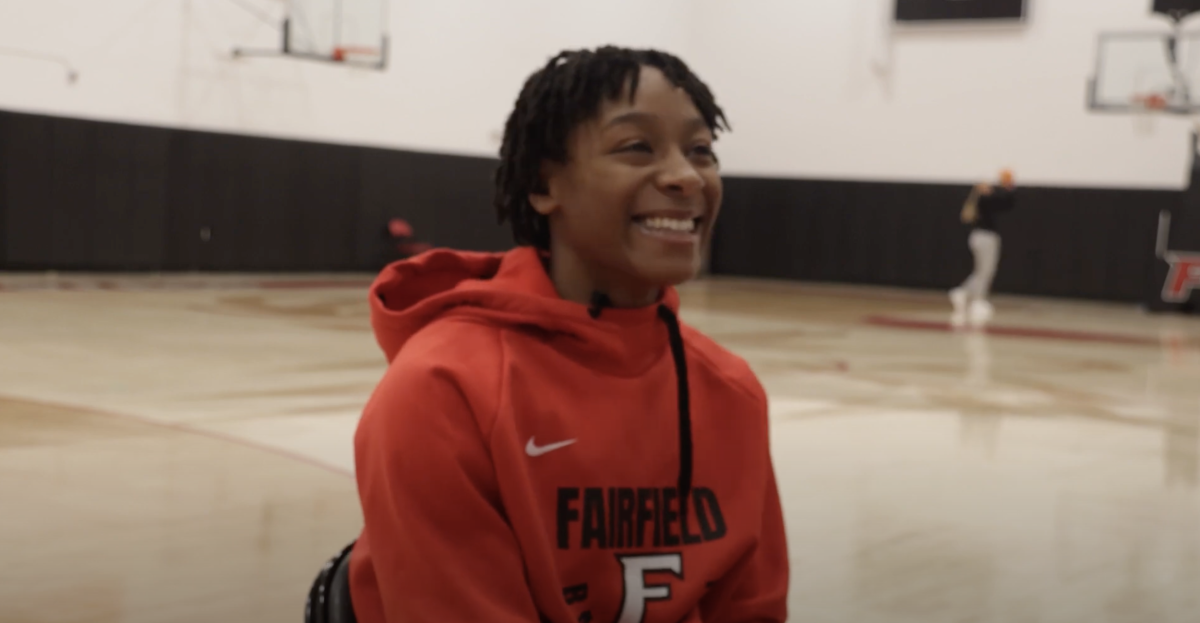
Now, don’t just take my word for how fantasy football brings Stags together. For Ryan Fox ’27, the real magic of fantasy football isn’t in the stats, it’s in the shared experience. He explained that it’s “more of a reason to watch the games together, and the competition is very fun, especially when you’re close to everyone you face each week.” His classmate Matt Borrella ’27 agreed, adding that “fantasy football has helped [him] stay connected with other Stags on campus through something that is competitive and fun.”
The extent to which Stags play fantasy football is limitless, as some play in dorm leagues, some in friend groups, and some through clubs on campus. Many leagues have classic rituals such as draft night in the dorms, friendly banter between league mates, and, of course, the punishment. This year, the punishment for my league here at Fairfield is the Waffle House Challenge, a staple in the fantasy football world: 24 hours at a Waffle House, where each waffle you eat reduces your time by an hour. Full disclosure, I’m 1-2 thus far, so I really hope I don’t get last.
Fantasy football can create the greatest adrenaline rush or the biggest headaches because no one really knows who will outperform their ADP (average draft position) or who will sink below theirs. During drafts, many managers have players that they refuse to draft due to past misfortune, and for Fox, he claims he “will never draft Calvin Ridley again.” He goes on to say that “Ridley gets paid so much money to drop almost every pass that comes his way and sells my team every week,” Fox said, laughing. His frustration is one that many Stags can relate to, as every manager has that one player they swear off drafting again.
While Fox has sworn off redrafting Calvin Ridley, other Stags are riding high thanks to outstanding performances. For Borrella, it’s been more of the established stars. “Carrying my team this year is Lamar Jackson and Malik Nabers,” he said. “This has led me to be one of the best teams in the league.”
Fantasy football keeps Sundays alive, but at Fairfield, it’s about more than wins and losses. From late-night draft nights and inside jokes to bragging rights and the occasional punishment, the real prize is the friendships and camaraderie that come with it. For Stags, fantasy football is one more way to turn competition into community.