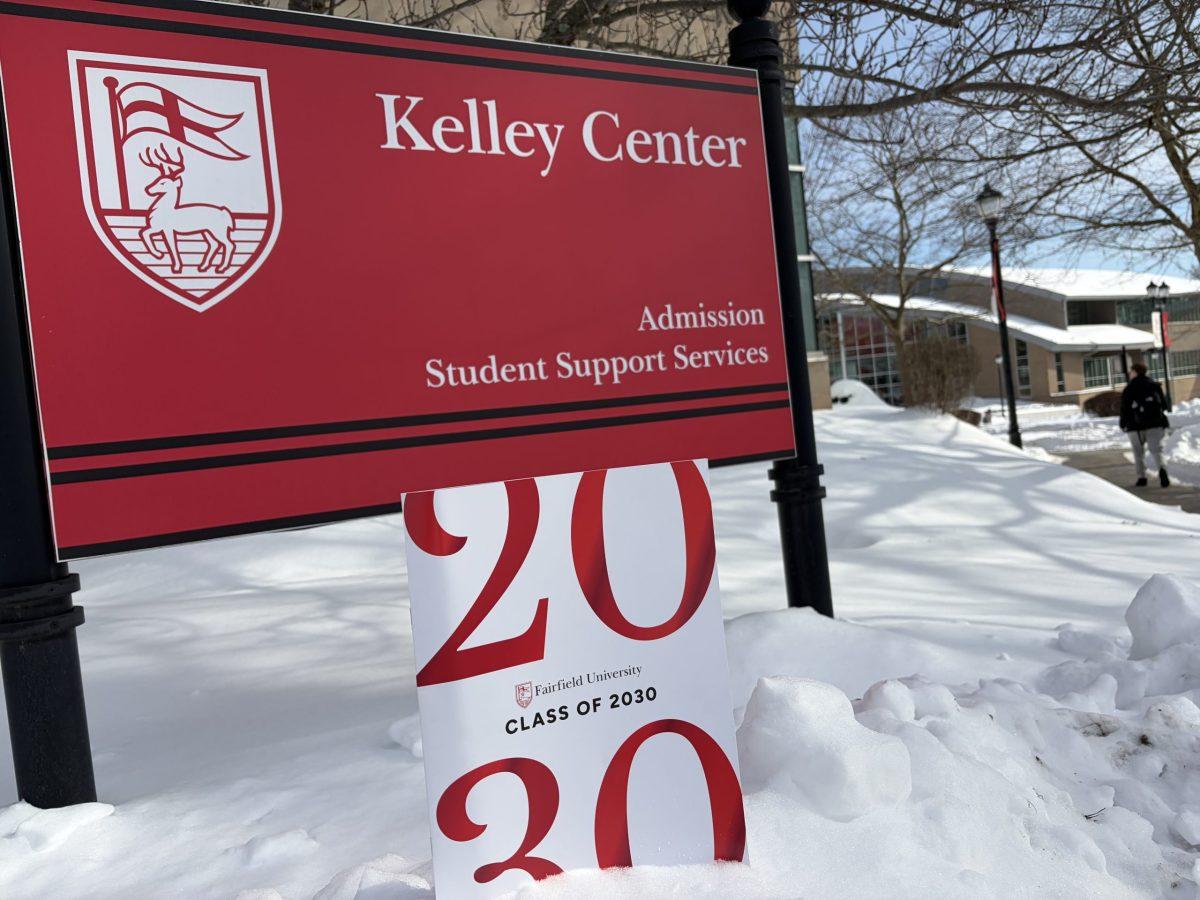

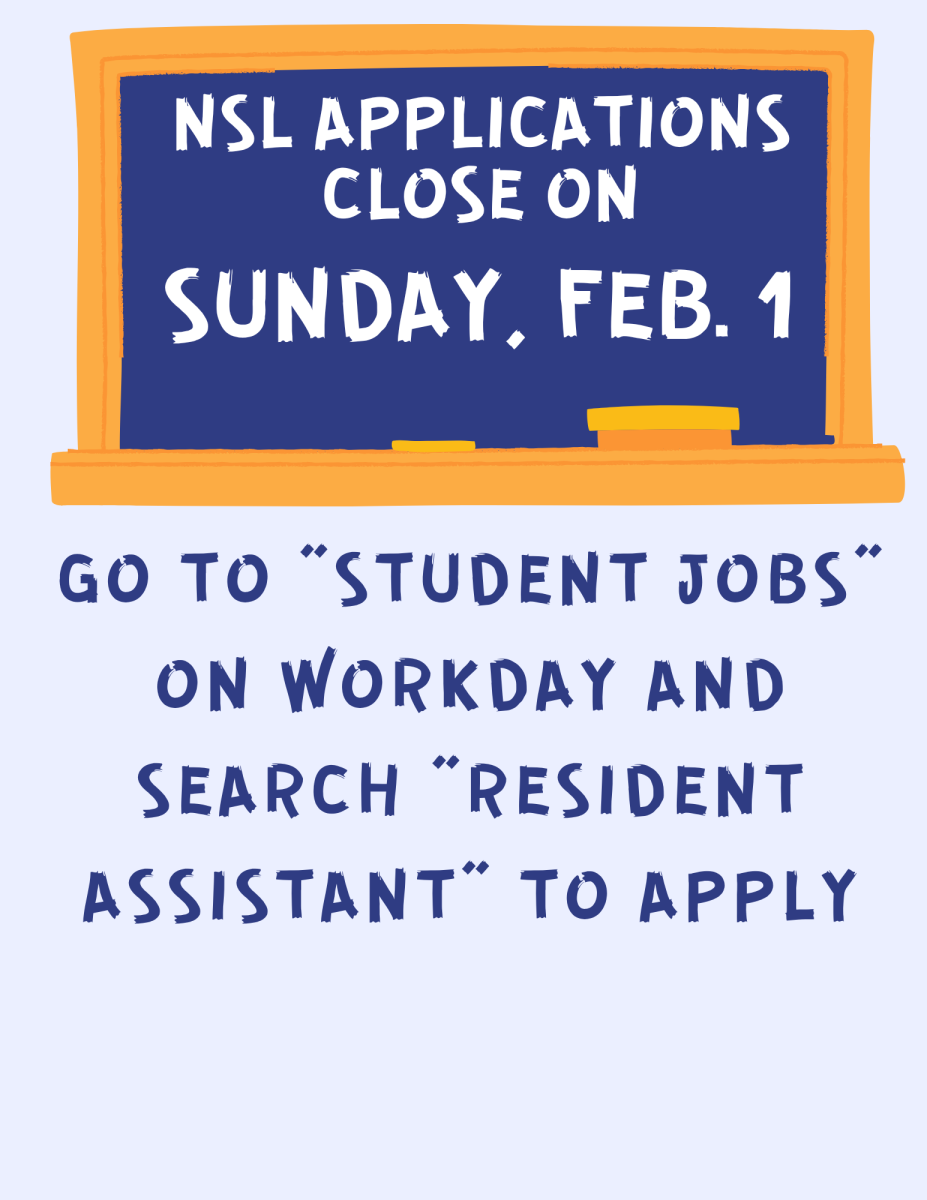








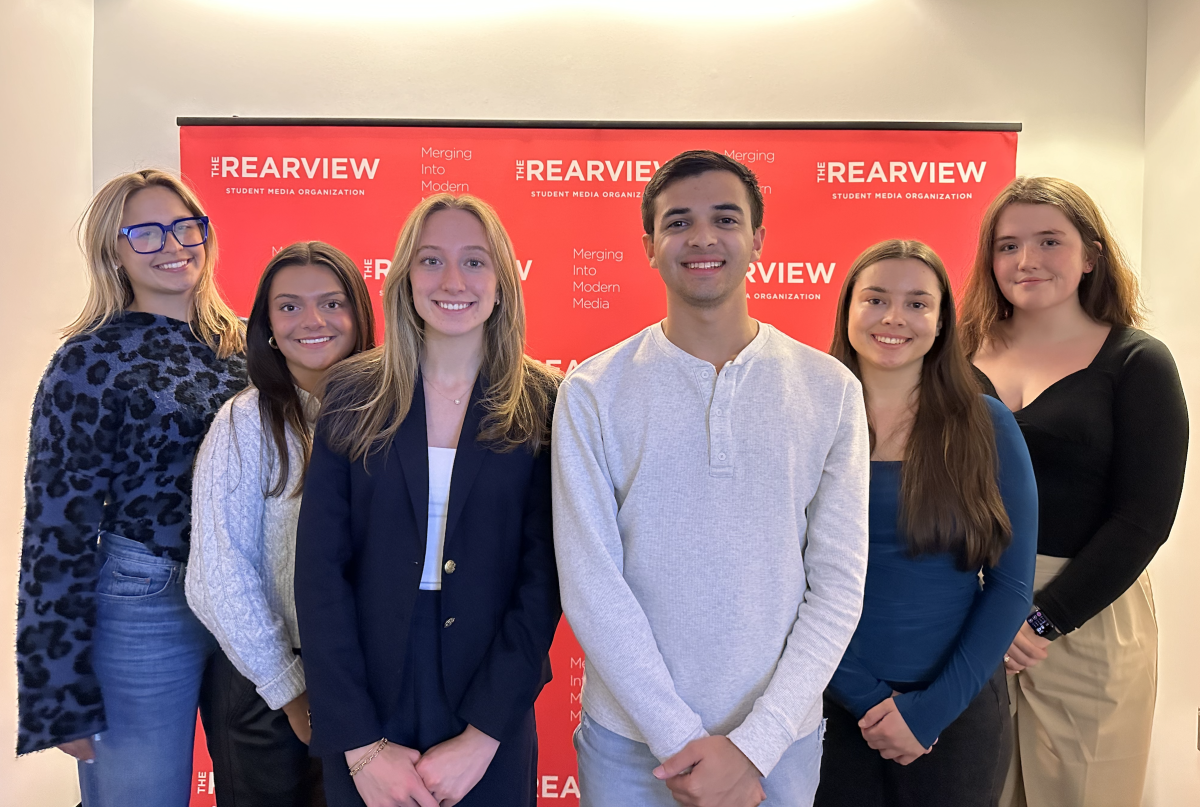



Resident Assistant applications are closing soon, on Feb. 1, following the New Student Leader applications that closed this Monday, Jan. 26. Applicants, if hired, will become part of the team that will aid the class of 2030 during their transition into college.
Junior and second-year RA Tiara Campbell appreciates the experience of being an RA, saying that, “[it allows] you to create a family with your residents.”
According to sophomore and first-time NSL Aida Ehlers, being an NSL is similar to being an RA; however, the positions do have some differences. “We attended a training session together…but RAs have a lot on their plates already, they’re really hands-on because they’re in the dorms with the first years. NSLs direct people to resources and [stay] pretty available…I think it takes a load off the RAs.”
It’s not possible to do both jobs, Ehlers says. The majority of their respective training sessions and duties overlap, and trying to accomplish everything would be “…[stretching] yourself way too thin.” She added, “You’re a student too. That’s a lot of work for one person!”
The NSL application is “…very straightforward [and] they asked a lot of important questions.” It asks applicants to include a resume, list any skills they have that are relevant to the job, and any other languages they can speak with proficiency, aside from English. Other questions include acknowledgement of previous employment by the university, the number of hours the applicant is willing to work per week, and any other commitments they may already have on campus.
Regarding the preparation that prospective students can take when applying, Ehlers says she sent a letter of continued interest to the director while her application was still pending. She also recommends “…[reflecting] back on when you were a first-year, how you felt, [and] what needs you felt weren’t being met.”
NSLs receive a $2,175 honorarium stipend for their work, whereas the stipends for RAs vary depending on where they are living and working, and what role they occupy. RAs receive $150 in their first year, $200 in their second, and $350 as a Senior RA. An honorarium is a one-time token of appreciation for a professional service that usually does not require payment, and a stipend is a fixed, recurring payment, often paid monthly, used to cover daily expenses or training costs. The stipend is given as a “thank you” for their service.
When asked if the amount she would be paid impacted her decision to apply, Ehlers said, “It didn’t…it’s not something people really do for the money. I did it because I wanted the experience of teaching FYE and participating in orientation.”
She also noted the importance of balancing being an NSL with everything else, which was something they worked on during their training. She says that doing everything “as soon as humanly possible” is best to avoid work pile-ups, and communication with your assigned Community Associate (CA) is essential.
Ehlers attests that there’s great value in becoming an NSL. “It’s a great way to meet and interact with new people on campus, and offers great insight on how to be a leader that others can depend on for sound advice and mentoring. It [also] shows you how far you’ve come from [your] time as a first-year.”
Sophomore Ryan Whitman, also a first-time NSL, spoke highly of her experience and said she recommends being an NSL to any students who want to get more involved on campus. “I loved getting to interact with so many future Stags and guests because it showed me what specifically attracted people to Fairfield. [It] was a great way for me to show my love of Fairfield while gaining leadership and teaching experience, all in a fun community environment.”